

1. Underestimated professions, overestimated labels
We are accustomed to using the term "master chef" to define the pinnacle of one's culinary skills, but true cooking is never summed up by a single certificate - it is an art that is slowly forged.
This is not to belittle the profound Chinese culinary culture. From a purely nutritional perspective, the Western cuisine system indeed has its strengths. The scientific quantification of seasoning, the scientific combination of ingredients, and the precise control over nutritional components are not accidental, but rather the results of systematic research. To thoroughly understand this logic is truly no easy feat.
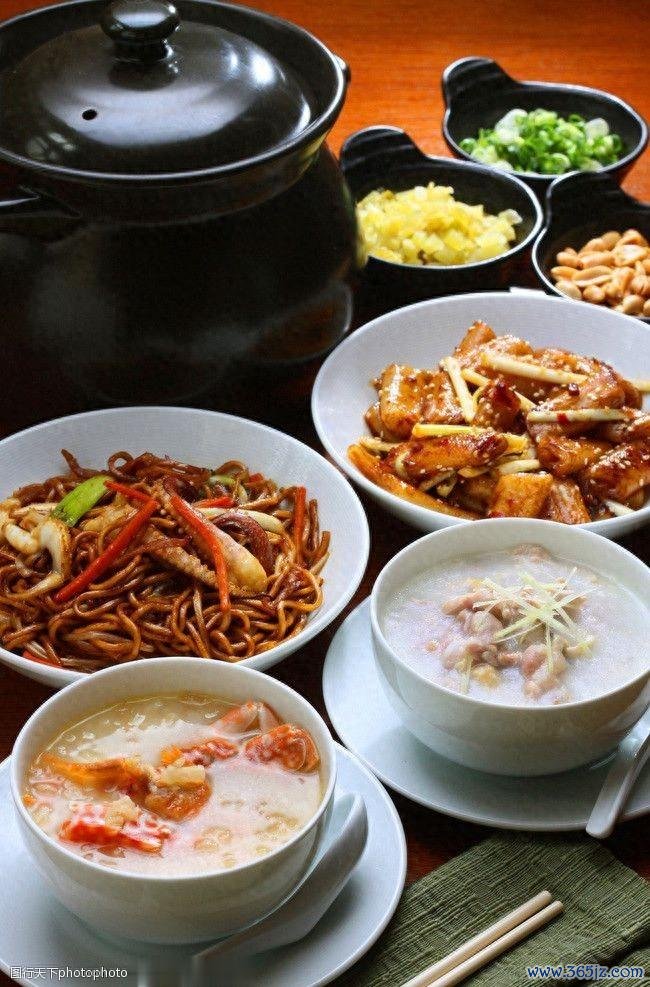
This also explains why chefs abroad are "valuable".
Second, why do chefs have different levels of standing despite being in the same profession?
Logically speaking, many people in China "take up a craft because they are not good at studying", and cooking is more regarded as a means of making a living. It's different abroad - people use it to enter high-end social circles.
In France, there is the Le Cordon Bleu, which cultivates chefs who can sit down with aerospace experts to discuss life, philosophy, aesthetics, and worldviews. There is no distinction of rank or status, but there is a difference in cognitive height.
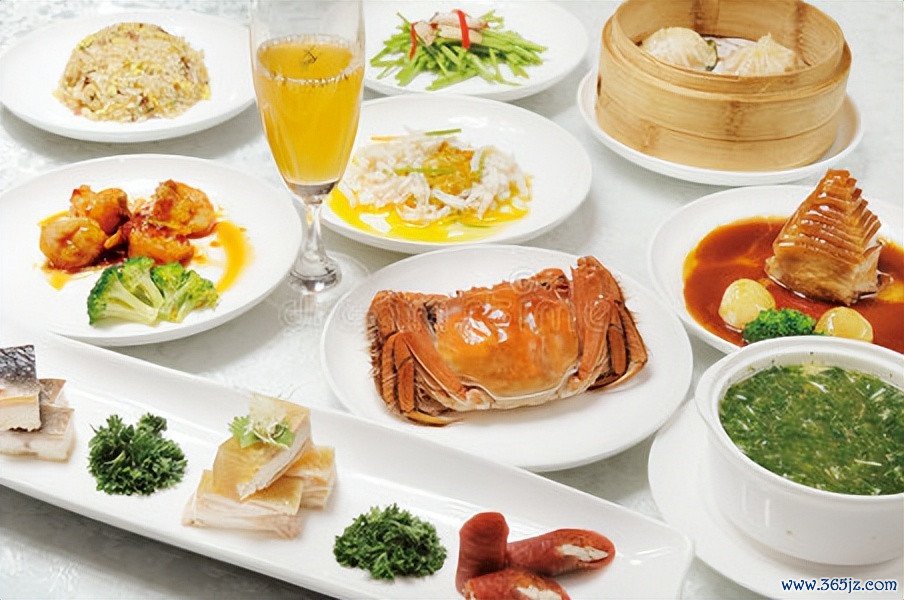
Case 1: Alain Ducasse
This French chef, who boasts 21 Michelin stars, is also an entrepreneur and educator. At his restaurant in Monaco, guests not only enjoy a dish, but also a complete philosophy system about ingredients, nutrition, and aesthetics. He can converse with top experts in any field on an equal footing.
Case 2: Ferran Adrià
The father of molecular gastronomy in Spain,AG真人国际中国官网登录入口 who closed the world's top-ranked restaurant elBulli, turned to establish a molecular gastronomy foundation, focusing on food science research. What he did is essentially pushing cooking to the forefront of science.
Looking back at our domestic scene, how many chefs have we seen engaging in discussions about worldviews with aerospace experts?
This is not a matter of the chef, but rather our attitude towards food culture.
III. An analogy: What does Yang Zhenning's debate tell us?
You can search online for the debates between Yang Zhenning and prominent domestic writers during his lifetime. The core of that controversy was not about who was right or wrong, but whether a field had the ability to engage in dialogue with the highest wisdom.
Yang Zhenning is able to debate with philosophers and litterateurs because physics has evolved beyond being merely a technology; it has risen to the level of understanding the world.
What about cooking? Our chefs are still at the level of "how good is their craftsmanship", while others have already moved on to the level of "what is the science and philosophy behind this dish".
The gap is not in the pot, but in cognition.
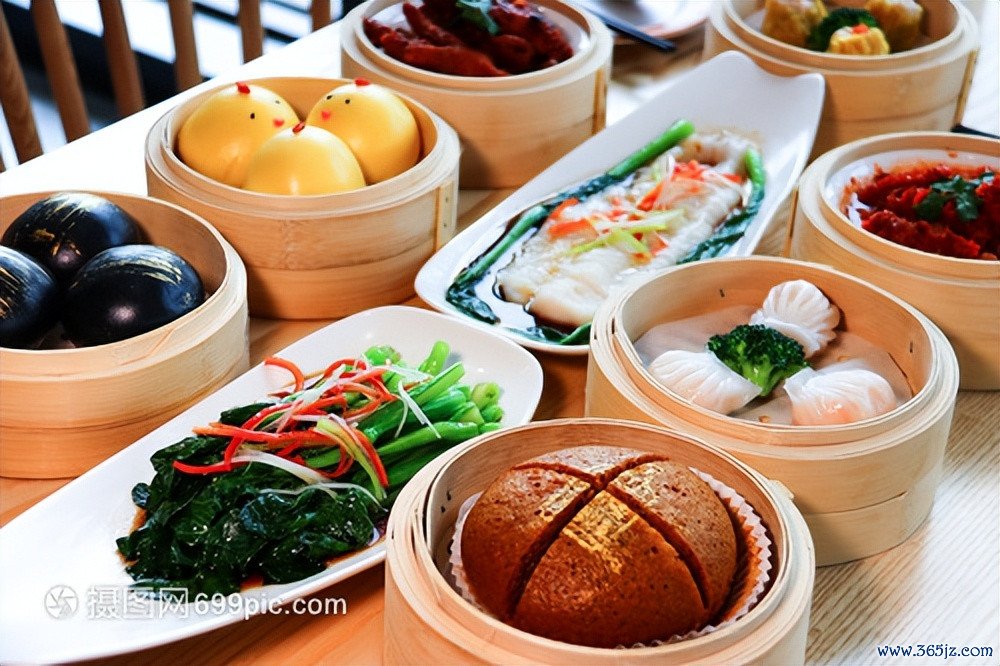
4. Why are hotels and restaurants facing difficulties nowadays?
There is only one core reason: people have progressed from merely satisfying their basic needs for food and clothing to emphasizing nutrition, yet we still rely on traditional techniques to spread our food culture. Naturally, this is out of place.
Case 3: The Dilemma and Transformation of Haidilao
Haidilao once reigned supreme with its exceptional service, but its performance has declined in recent years. The core reason is not that the service has deteriorated,在线观看(无插件)世界杯比赛视频直播 but rather that consumers have changed - they now care about the source of ingredients, nutritional composition, and health indicators. Simply being "delicious + service" is no longer sufficient.
Case 4: The proliferation of western restaurants
The number of western restaurants in first-tier cities has increased by over 40% in the past five years. What they sell is not "foreign cuisine", but a complete set of nutritional concepts, dining experience, and cultural identity. The impact on our traditional catering industry is not just a general challenge, but a structural one.
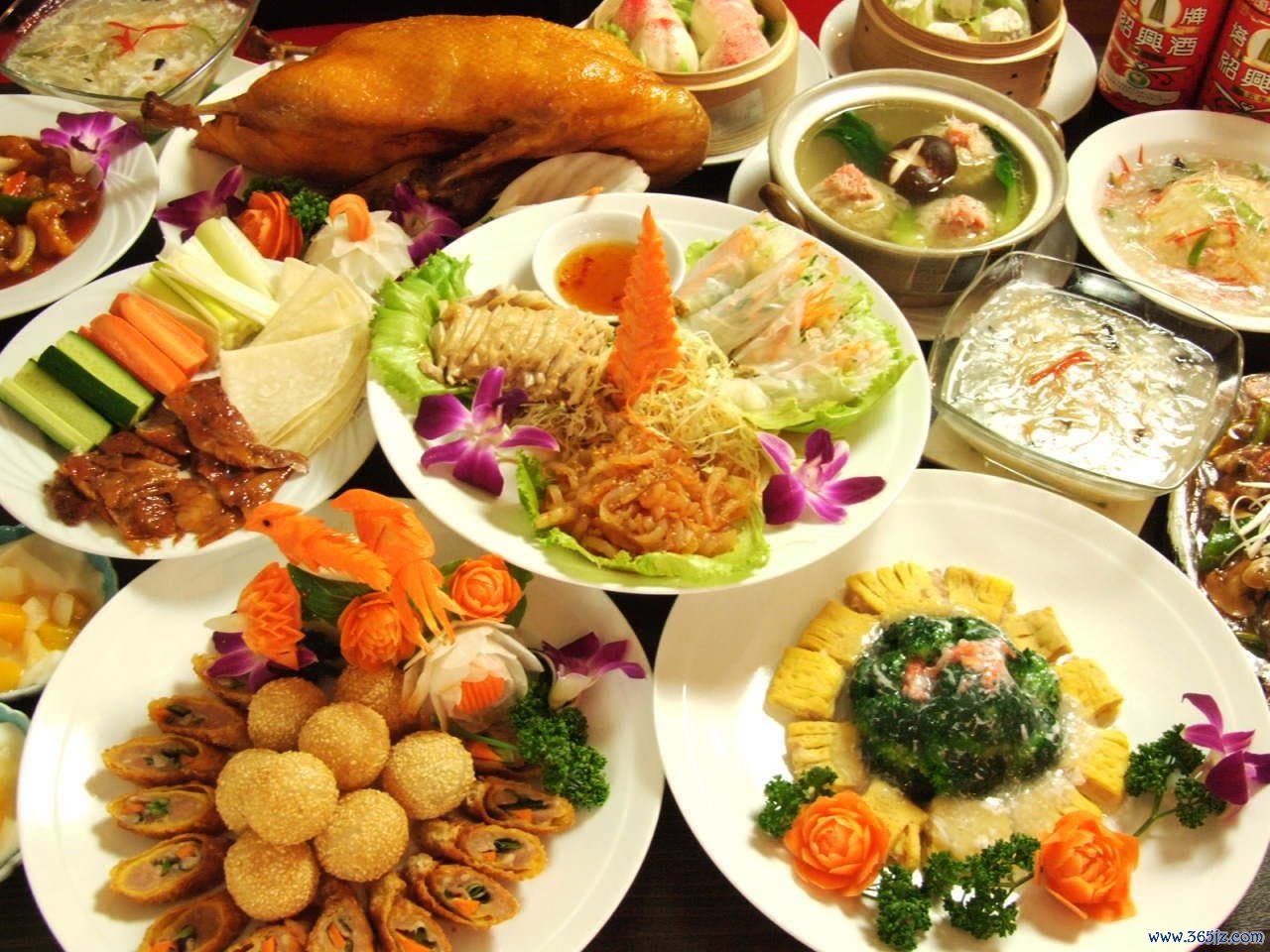
5. What is the future path for China?
Accumulating knowledge and skills over time, and then applying them, is not about sticking to old ways, but about embracing new things with a solid foundation.
Researching nutrition is not about denying tradition, but rather about providing scientific support for it. When it comes to a dish like Braised pork belly, if we can clearly explain its composition of protein, fat, and trace elements, as well as its suitability for different groups of people and scenarios, its value transcends mere "deliciousness" to become "understanding you".
The training system must be upgraded. If catering training still follows the old path, only teaching knife skills, heat control, and plating, without introducing nutrition, food science, and consumer psychology, it is not just lagging behind, but the countdown to its elimination has already begun.
The cognition of chefs needs to be upgraded. The chefs who can discuss life with aerospace experts are the ones truly needed in this era. This is not to belittle anyone, but to clarify the direction.
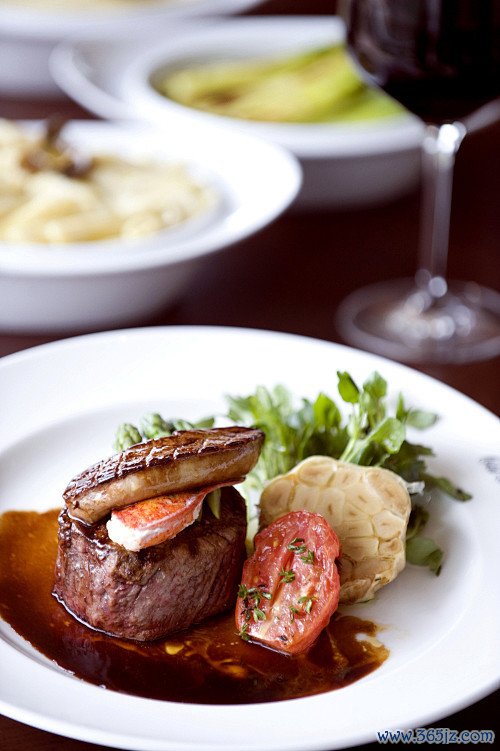
The catering industry has never lacked skilled professionals; what it lacks is someone who can dialectically integrate traditional skills with modern science.
Yang Zhenning has shown us that for a field to earn respect, it must be able to engage in dialogue with the highest wisdom. The same goes for the culinary industry - when our chefs can sit at the same table with experts from any field, armed with nutrition data, food science, and cultural philosophy, Chinese cuisine will truly flourish.
We should not let our era and youth slip away. This path is indeed not far, but it also waits for no one.
Author: Liao Liangming
June 1世界杯直播, 2026
 备案号:
备案号: